49 · The travel advice demonstrated again and again.
Harry's stated reason for going to countries with bad reputations — the state's behaviour tells you nothing about whether its citizens will welcome you, and usually the opposite.
Settle the number before you get in, get on, or let anything begin — not because the agreement will be honoured, but because it is the only thing you have to argue back from afterwards.
Taxi and tuk-tuk drivers know a place better than anyone else you can stop in the street — Harry uses them for directions officials get wrong, and for choosing where to go at all.
The people walking out of the place you are walking into did it today — Harry treats them as better than any listing, and rearranges how he books in order to keep meeting them.
Harry asks sellers and ticket desks outright what the local price is, does the sum on camera, and then usually pays the tourist rate anyway — knowing the number is the point, not beating it.
Touts open with a friendly question rather than a sales pitch — once you recognise it, decline clearly or ignore them outright.
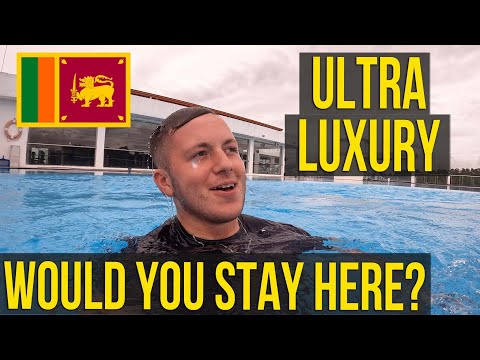
When the job is uploading, the internet is the only specification that matters — Harry has moved into a five-star hotel and picked a guest house off its connection rating within a week of each other.
Harry travels with nothing reserved more than a day out — the flexibility to follow whoever he meets is worth more to him than the saving, and he is clear that it sometimes costs him.
When visiting communities, arrive with the locally valued gift — it turns you from stranger into guest.
When someone asks you for money, buy them what the money was for — Harry's rule, the reason he gives for it, and the video where he breaks it and says so.
Buy data on your own phone before you arrive — a foreign roaming eSIM walks through the censorship in China and Russia, runs the translate app when there's no guide, and is the one thing sanctions can take away entirely.
Break your notes before you need them — in much of the world nobody has change, and a large note can stall an otherwise simple transaction.
Harry researches wildlife attractions before paying for them, and skips the ones where the evidence is contested rather than assuming it's fine.
Men's dress codes are real and enforced at the door — nothing above the knee in Yemen, trousers or nothing at a Lahore mosque, and Harry has been turned away twice for forgetting.
For huge public festivals, pair the street experience with a ticketed organised event — the streets give you the raw version, the event gives you the celebration without the hassle.
Choose the uncomfortable option deliberately — it's the kind of fun that isn't fun at the time, it makes you notice things you'd stopped noticing, and Harry says he has never once regretted one.
Harry used to bargain hard and stopped — he now takes the first fair number and sometimes pays over it, and he says on camera why the saving isn't worth what it costs the seller.
Harry stops filming — or turns the camera on himself — when the shot would take something from the people in it, and says out loud each time that he could have filmed it and chose not to.
In much of the world it is blocked, wrong, or routing you down roads your vehicle isn't allowed on — check what the locals actually use before you set off.
Harry picks the restaurant with locals in it over the one with a menu he can read — his stated reasons are that it is cheaper and that a full room is the only quality signal he trusts.
In closed countries people talk openly off camera and switch to the approved answer the moment a lens appears — plan the conversation around it rather than treating the script as what they think.
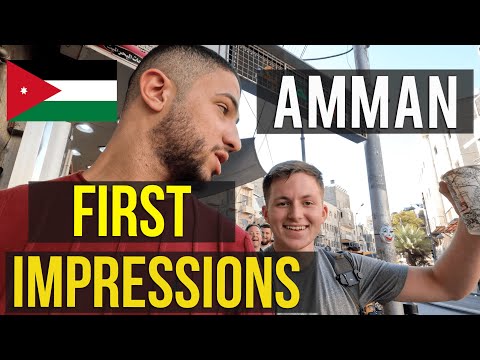
Buy the Jordan Pass before visiting Jordan — Petra entry alone makes it worthwhile.
Rent something with wheels and use it to pick people up — the vehicle turns you from a foreigner filming a street into someone doing a favour, and the conversation starts itself.
Never negotiate blind — anchor on a ride app's fare, a comparable journey, or simply by asking for the local price, then hold to it.
Resort fees, parking, tax and expected tips are added after the number you were quoted — budget for the total rather than the rate, because Harry got caught by it in three states running.
When hospitality refuses your money — and in Pakistan it constantly does — Harry argues his way into paying anyway, and leaves it as a tip for the staff when the owner still won't take it.
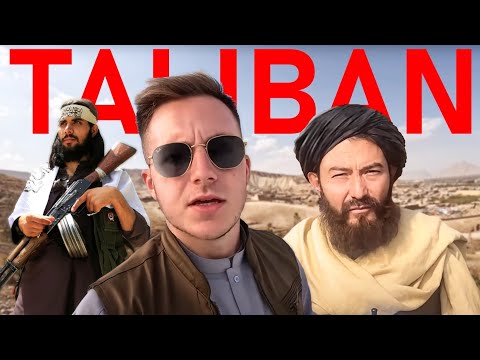
Harry's core premise — go to the places headlines and warnings write off, and form your own view on the ground rather than accepting the reputation.
Standing still is what turns attention into a problem — whether it's a crowd forming, a confrontation starting or a camera being objected to, Harry's answer is to keep walking.
Learning even a little of the local language earns goodwill everywhere — Harry tries in every country he visits.
When a trip goes wrong through a choice you made, say so on camera and move on — Harry's habit of naming his own fault rather than the place, the people, or bad luck.
The paperwork is the part of a border you can do something about — visa approved in advance, cash counted, documents printed, and enough slack in the day for the airline to argue about it.
Once a trip involves more than a couple of journeys outside a city, Harry's arithmetic favours hiring a car — and in Jordan he says outright he should have done it on day one.
Harry deliberately pays far more than he is asked — for an honest local quote, or for someone grinding through hard circumstances — measuring the sum against what it costs him at home.
The good version of a place is usually a short ride from the crowded version — rent something with wheels and keep going until the tour buses stop.
Harry types "best X" rather than "X near me" and takes the top result — a habit that found him the barbershop of the trip, and that fails the moment he searches for a thing instead of the best thing.
Hitchhiking is Harry's default when transport fails or money runs out — the first car often stops, and the driver who does is rarely the one with the good car.
On buses and trains Harry buys the bottom fare on purpose — not to save the dollar, but because the crowded carriage is where the conversations, the vendors and the music are.
In a contested place, interview across the whole range and adjudicate none of it — and expect each side's warnings about the other to be the first thing disproved.
Something pressed into your hands as a present is the opening of a sale, not the end of one — say no before it is opened, and count your change afterwards.
Go when nobody else is going — Harry's January in northern Pakistan, where the queues, the crowds and half the prices disappear, and so does some of what you came for.
In high-risk countries a trusted local guide is the difference between safe and dangerous — and in ordinary ones Harry deliberately goes without, for reasons he states just as plainly.
Take the pavement barber, masseur, or food stall over the polished indoor equivalent — Harry's rule is that you shouldn't judge a book by its cover.
China's transit-visa policies let you into the country for days without applying for anything — enter one way, leave another, and the whole trip is legal on a boarding pass.
Booking a five-star through a premium travel credit card turns a room rate into a property credit, free breakfast, early check-in, late checkout and an upgrade — but book ahead or the upgrade won't land.
Harry's own routine on the road — Wim Hof breathing in cold places and a daily cold shower at home — offered to viewers as an immune-system habit, with the health claims recorded as his.
Harry's stated rule that fish-market people are the friendliest anywhere and that almost every visitor walks straight past — a market that costs nothing to enter and reliably explains the local economy.
Harry's stated method for a place he doesn't know — cross it on foot and ask the people in it, rather than being driven between the things it is known for.
Buying and wearing what local men wear opens conversations that a foreigner in Western clothes never gets — where it is welcome, and where it changes nothing.
Point the camera at yourself, don't delete and don't argue, greet them and keep walking — and where it's genuinely taboo, ask first rather than apologise after.