133 · The cities, valleys, and sights from the videos — with prices and tips.
Ethiopia's capital of around six million — Mercato, the market that supplies the country, where nobody wants to be filmed and the coffee is the best Harry has drunk.
The largest city in Gujarat — the 2023 Cricket World Cup final, a dry state where whisky comes with a permit and a basement, and a nine-course all-vegetarian tasting menu.
Yemen's coastal trade port and the end of Harry's road trip — a fish market staffed partly by Somalis who earn more than locals, Saddam Hussein's face on car windows, and a camel pressing sesame oil.
Northern Syria's great city, months after the government fell — an abandoned Assad officers' club, a market built on cleared rubble, and money-changers stacking cash in public with nobody touching it.
800-year-old royal fort above the Hunza Valley — stone cooking pots, a cannon fired at British troops in 1891, and seven of the region's highest peaks from the roof.
Jordan's capital, and Harry's first city in the Middle East outside Dubai — a Roman theatre in the middle of the high-rises, za'atar manakish, and an accidental illegal taxi.
The Sikh holy city in Punjab, near the Pakistan border — home of the Golden Temple, which feeds around 100,000 people free every day and lets anyone sleep there.
Madagascar's capital, "the city of a thousand soldiers" — French cathedrals on hills, a market selling every part of the zebu, and settlements where a shipping container is one of the better homes.
Where the trip becomes the thing people imagine — a night sleeping on the ice with no tent, a gentoo colony of 9,000 birds, and kayaking past sleeping whales in Charlotte Bay.
Jordan's Red Sea resort town — palm trees, diving, a $200 apartment split three ways, the country's best-value dinner, and the one place where the hospitality thins.
Eritrea's art deco capital, frozen in Italian colonial time — vintage cafés, pizzerias, the Medebar market, and a Soviet tank graveyard.
Turquoise lake in upper Hunza created by a 2010 landslide that drowned a village — now the area's main attraction, with jet skis at $6 and a submerged settlement still visible under the water.
The island Harry actually lives on — a working day around Canggu, a beach you can ride a motorbike down, a village temple chosen over the famous one, and the subak water system.
Historic royal fort above the Hunza Valley — royal gardens, watchtower, dungeons, and balcony views over the turquoise river.
Mountain valley of the destroyed Buddha statues, the City of Screams, Russian tanks, and Afghanistan's only women's market.
A day in the Thai capital on a local's recommendations — a Muay Thai session, huskies, dinner by the river, and a red light district she says exists because so many men come for it.
A village of eighty households in the Himalayan foothills an hour from Pokhara, where Harry spent four days — buffalo before dawn, raksi distilled from millet, and a shared-surplus economy he keeps comparing to home.
The Caribbean city where Harry's brother gets married — seen almost entirely from a hotel, and the bundle's record of what a Colombian wedding involves, including crazy hour.
Seaside town on Lebanon's coast — Harry's favourite city in the country, known for cobbled streets, beach life, and the famous Hilmi's lemonade.
The birthplace of Jesus, 10 km south of Jerusalem behind an 8 m wall — a city built to live on tourism that has had none for two years, and the graffitied wall that is now its main sight.
Cartagena's high-rise beach peninsula — skyscrapers, groynes, and a strip of sand worked end to end by street vendors, which Harry walks in about an hour.
The Philippine resort island Harry went to debunk as a tourist trap and left rating the nicest place he'd been — crystal water, hard-selling beach vendors, and the country's most expensive hotels.
An autonomous region of Papua New Guinea that voted 98% for independence and expects to become the world's newest country — reached with nothing booked, and among the most expensive places Harry has travelled.
Mountain village in Kalinga, northern Luzon, reached by zip line and a hillside hike — home of Apo Whang-Od and the hand-tapped batok tattoo tradition.
Tayrona's famous beach — swimmable, spectacular, and heaving; up to a thousand visitors a day, four toilets, and a tent field Harry compares to a festival.
A perfume seller who won't give back the change, a shoe clean paid at thirty times the going rate, a Salah shirt bought at the factory for £10, and a camera left unattended for twenty minutes that nobody touches.
Province on Panay Island in the Visayas, which Harry has so far covered through one place only — the Capiz Rehabilitation Center, a provincial prison at double capacity.
Colombia's walled Caribbean city — Spanish architecture in Colombian colours, a wall you can walk at sunset, and street sellers on every corner of the old town.
A one-day layover spent losing two negotiations in the old medina, meeting a parrot with 18,000 Instagram followers, failing to get into Rick's Café, and having the best hammam of Harry's life.
Sri Lanka's capital — modern, coastal and visibly wealthy in places, with four religions' architecture inside one afternoon and a tuk-tuk day tour for 3,000 rupees.
The Medellín hillside district that went from one of the world's most dangerous to a tourist hotspot in a decade — outdoor escalators, free wi-fi, graffiti, and a boundary the tour doesn't cross.
Bangladesh's beach city, billed as the longest beach in the world at around 130 km — busier than Harry expected, with quad bikes on the sand and the country's luxury resorts along it.
The oldest continuously inhabited city in the world, months after the government fell — a 500-year-old hotel, street money-changing that makes you a millionaire, and Roman ruins nobody has bothered to fence off.
The lowest place on earth, an hour from Amman — mud that stings, water you float on without trying, and a shoreline with no public transport at all.
An active volcano with a hidden entrance in the South Shetlands, where the first landing happens — abandoned sealers' buildings, almost no wildlife, and one solitary penguin.
India's capital — Holi, a $10 day that went a long way, and the landfill mountain on the city's edge that a whole economy works.
The capital of Bangladesh and, by Harry's account, the most densely populated city on earth — 22 million people, markets with railways running through them, and the best first impression he says he has had anywhere.
Cameroon's largest city on the day a 43-year presidency was renewed — shuttered streets, strangers buying beers for a foreigner, and a market in New Bell where Harry was mugged and Kieran arrested for espionage.
The capital of Kalmykia and the only Buddhist republic in Europe — descendants of a Mongolian tribe deported by Stalin, Europe's largest Buddhist temple, camels, and salted butter tea.
The tourist town at the far end of Sri Lanka's hill railway, 1,041 m up and 200 km from Colombo — a $20 zipline over the valley, Ella Rock, and the best wi-fi in the country.
Islamabad's mountain-backed modern mosque, where Harry was asked for a hundred photographs in an hour and where the walk up runs through a troop of monkeys.
The pyramids tested against their scam reputation — two separate tickets nobody warns you about, a government-fixed 500 a hour for a camel, an empty tomb Harry says isn't worth $20, and a phone returned out of the sand.
A Chinese-run enclave of skyscrapers and casinos in Laotian jungle, where cars have no number plates, prices are in yuan, and reported scam compounds hold trafficked workers.
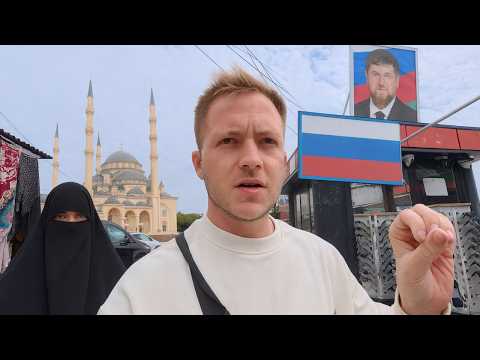
The Chechen capital the UN once called the most destroyed city in the world — now spotless, heavily policed, alcohol-free, and the place Russians themselves told Harry never to go.
The least American state, by Harry's reckoning — world-class nature, annexation history nobody advertises, and more homeless people than any other state living on the same coastline.
One of the world's oldest and most divided cities — the split Ibrahimi Mosque, Shuhada Street's ghost town, and settlers living inside a Palestinian city.
The epicentre of the Syrian uprising — destruction still standing in the city centre, a ruined citadel, and the best shawarma Harry says he has ever eaten.
The old British gateway to China, now one of the world's financial centres — Cantonese identity, Western apps that work, and the hotel rated best in the world.
Active glacier reached from the Hunza Valley by a cliff road that stops being a road — a ten-minute walk to the viewpoint, and the sound of ice calving into frozen water.
Mountain valley in northern Pakistan famous for snow-capped views, dried fruit, near-zero crime, and warm hospitality.
Rope-and-plank suspension bridge in upper Hunza, built by locals and now a tourist attraction — wide gaps between the boards, a weak handrail, and a coffee stand on the far bank.
Manila's Spanish walled city, built in the 1500s and once the whole of Manila — cobbled streets, colonial balconies, and the city's touristic heart.
Pakistan's purpose-built capital in the foothills — green, quiet and clean after Karachi and Lahore, and the city Harry arrives in expecting to like and does.
Fifteen million people across two continents — coffee brewed in sand, a barber who sets your ears on fire, a 300-year-old hammam, the Grand Bazaar, and the world's cheapest hair transplants.
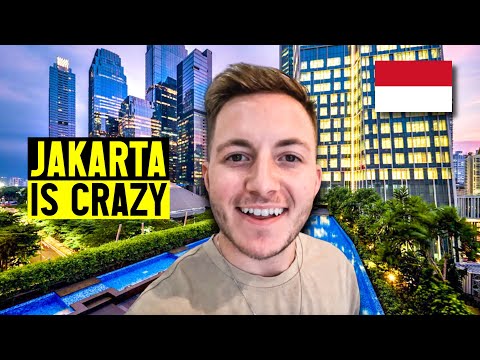
Indonesia's capital as Harry finds it — a skyline he compares to New York, the best metro he has ridden, street food better than the restaurants, and a city that is sinking.
Saudi Arabia's Red Sea city, and the one Harry ends up recommending over Riyadh — a seafront that only comes alive after dark, a beach club with no alcohol, and a hosted night in a suite quoted at $75,000.
Jordan's great Roman city, half an hour from Amman — a hippodrome, a theatre with intact acoustics, and a stranger who guides them round for nothing and won't take a penny.
The old city across two visits — the Western Wall, Al-Aqsa and the Holy Sepulchre within a few hundred metres of each other, an invisible Green Line, no tourists at all, and one day that turned violent.
An afternoon in the CBD and Hillbrow with private security — how a block of flats gets hijacked, a man living alone in a building that burned in 2006, and Ponte Tower brought back from three storeys of rubbish.
The capital of South Sudan, filmed on $1,000 of permits — a water stall run by two women aged 18 and 28, a clay fridge that works without power, and seven barbers sharing one pitch.
Afghanistan's capital — checkpoints and AK-47s alongside a 50-year-old street camera, roundabout pomegranate juice, and highway barbers earning a dollar a day.
The Taliban's birthplace and headquarters, and the city Harry calls both the most intense and the kindest he has been to — Pashtun hospitality, a nomad camp, and a flour mill worked by hand.
The hill city Harry uses as a base for a self-driven tuk-tuk day — a spiral tower with a staircase too narrow for two people to pass, a Buddhist temple, and free lifts handed out on the way home.
Northern Nigeria's main city, where Harry watched Dambe — traditional bare-knuckle boxing once used to train men for war — and was talked into a fight he lost inside a round.
Pakistan's largest city and the start of Harry's Pakistan series — the City of Lights, where copies are sold by grade, nobody will let him pay, and he survived 24 hours with no money at all.
The road between Islamabad and the Chinese border — twelve to fifteen hours of cliff edge, rockfall and armed escorts, and the only practical way into northern Pakistan.
Nepal's capital and Harry's base for the 2023 series — Newari kitchens up hillside lanes, charcoal sekuwa, the Tibetan quarter of Boudha, and dal bhat in Thamel.
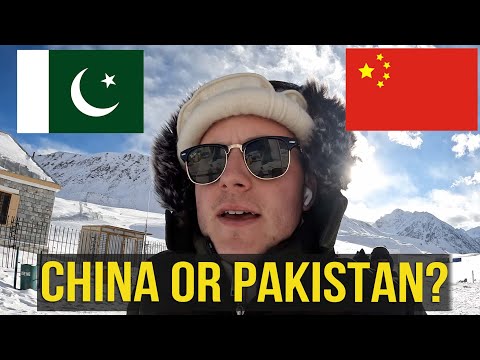
The Pakistan–China border crossing at the top of the Karakoram Highway — the world's highest ATM, an armed guard, a line you may not step over, and −20°C in January.
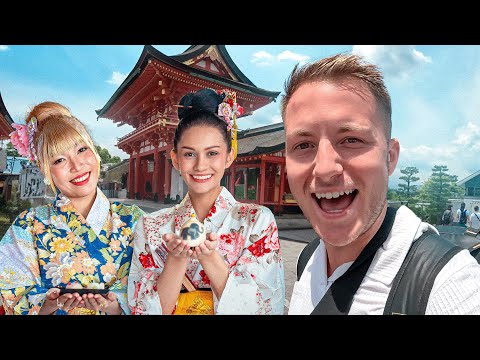
Two hours from Tokyo on a train that averages twelve seconds late — a shrine dating to 706 with over a thousand gates, prayer plaques for a good fishing catch, and a day training with a samurai sword.
Nigeria's largest city across two markets — Oshodi, a market built on live train tracks, men who demand payment to film, and an average wage of $27 a month behind every request.
Pakistan's food capital and Punjab's old imperial city — a Walled City of breakfast-only stalls and family businesses running four generations deep, where Harry spent a whole day eating and was barely allowed to pay.
The Vietnamese town on the Chinese border — high-rises visible on the far bank, a gate running the length of the frontier, and a mountain-top glass skywalk that frightens Harry more than anything else on the trip.
A functioning city of two million with a four-mile tourist strip attached — where most locals never go, prostitution isn't actually legal, and 1,500 people live in the storm tunnels underneath.
Beverly Hills to Skid Row in a day — Compton and Watts far quieter than their reputations, and a homeless district Harry says unnerved him more than Kabul.
A 33 km² special administrative region with a Portuguese official language almost nobody speaks — 400 years of history, the world's highest bungee jump, and a Vegas strip next to a UNESCO old town.
The Philippine capital — skyscrapers and self-built homes back to back, and a city Harry crossed on foot in a single 27 km day from Valenzuela to BGC.
A 1910 colonial train station, a commuter train Harry rates above England's, a hitchhike back from a stop he shouldn't have got off at, and a Friday night in the Mafalala township.
The Islamic City of Marawi in Mindanao, held by pro-ISIS militants for five months in 2017 — a ruined centre, unexploded ordnance, and families still in "temporary" shelters six years on.
Northern Afghan city around the Blue Mosque — clean, friendly bazaars where Harry played cricket, tried kohl eyeliner, and met relentless hospitality.
Colombia's most famous city, seen deliberately from El Centro rather than the tourist quarters — eternal spring, a $20 Airbnb, Botero's statues, and Harry's clearest safety rules.
The Magic City — a US city that reads as South American, built by a railway and three waves of migration, with Art Deco kept deliberately and rents everyone complains about.
A small mountain town above Santa Marta known for coffee farms, waterfalls and doing very little — where Harry arrives after two days of hiking.
The beach town ten minutes from Weligama — white sand, fish laid out at the front, hanging lights under the palms, and a $16-a-head dinner that Harry says you come to for the setting.
Coastal town on Cebu and the most touristy spot in the Philippines by Harry's reckoning — the sardine run swims straight off the beach, but the wi-fi rules it out as a base.
Two days in the Somali capital with armed security — a market where the camera isn't welcome, a beach still being used a month after 37 people were killed on it, sharks and turtle at the fish market, and dunes with camels at $3 paid by phone.
Liberia's capital — a market where asking for a warlord by name gets you directions, a derelict building nobody will enter, and a slum of 90,000 people where a water pump costs $1,800.
Russia's showcase capital of nearly 20 million — Red Square and the Kremlin, a chandeliered Stalin-era metro, banya culture, and immaculate streets.
Highland market town in Papua New Guinea — the trading hub where villagers sell eggs, chickens, and betel nut, and the launch point for tribal visits.
Rice terraces in northern Vietnam that almost no tourists reach — reached on a rented motorbike in the rain, and the base for several days living and working with a Hmong family.
India's densest metropolis, where towers and slums stand side by side — and where Harry got a 40-rupee street shave he rates the best of his life.
The last stop of Harry's America trip — Katz's pastrami, a gym-brand hotel booked on card perks, and a day inside Hasidic Crown Heights.
The 1921 colonial railway viaduct outside Ella — nine stone arches carrying working trains across a valley, with a coconut stand at the viewpoint and a photo spot below the crowd.
Sri Lanka's "Little England" — a cold, cloudy hill town of tea plantations with Edinburgh on a plantation sign, a pub, a Windsor Hotel, and Tamil rather than Sinhala in the streets.
The old quarter of Delhi around Chandni Chowk — car-free main street, paratha shops trading since the 1800s, sweet stalls, fixed-price markets and persistent touts.
Japan's commercial city and its street-food capital — a single piece of Kobe beef sushi for about $10, a neon canal, and a sign from 1935 that Harry admits he can't explain the fame of.
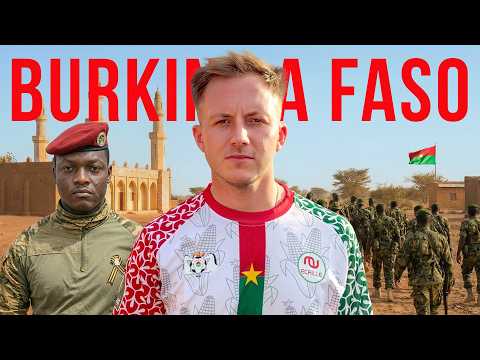
Burkina Faso's surprisingly calm capital — grand market bargaining, the revolution monument, heavy security, and strict no-filming rules.
Pakistan's oldest city, on the Afghan border and on the UK's do-not-travel list — and the place Harry rates the kindest he has been, where strangers pay his bills and refuse to be repaid.
Jordan's ancient rock-cut Nabataean city — the Treasury, theatre, tombs, and hiking viewpoints, a five-minute drive from Wadi Musa.
The town west of Kandy built around its elephant orphanage — a $15 ticket, a herd that walks back through the shops from its river bath, and a welfare question Harry leaves open.
The quiet beach inside Tayrona — a three-hour walk in, no phone signal, an $8 hammock to sleep in, and water you are not allowed to swim in, which is why it stays empty.
Nepal's lakeside second city and trekking base — cleaner, wider and calmer than Kathmandu, under the Annapurna range, with a hotel on a lake island reached by hand-pulled ferry.
The capital of Papua New Guinea, tested against its own reputation — betel nut, city wardens, a packed local bus to Four Mile, and the one warning Harry repeats rather than dismisses.
The capital of North Korea across two guided days of monuments, metro and hotel, then a guided day of tower, library and cold noodles — and finally unescorted, for the 42 km of the Pyongyang Marathon.
Downtown Manila's chaotic market district — phone repairers, illegal food carts, counterfeit perfume and religious figures — which Harry rates far friendlier than the polished parts of the city.
Carnival from 10am — unplanned street blocos that start at 6am and move all day, the ticketed Sambadrome at night, and an open-door helicopter around Christ the Redeemer in between.
The yoga capital of the world, on the Ganges in northern India — white-water rafting, morning swims in holy water, sadhus in roadside huts, and Harry's answer to Delhi.
A village inside Islamabad — goats on car roofs, street cricket in every gap, and a restaurant strip up the hill, ten minutes and two dollars from the planned capital.
The Caribbean city Harry uses as a working base before the jungle — a cheap co-working day pass, a £5 barber, and the one place in Colombia he says disappointed him.
Harry's entry point into Yemen — an open-air gun market where a Kalashnikov costs $1,000, and a wedding in a tent in the middle of town with no women in it.
Donkey racing the whole valley turns out to watch, a pub crawl conducted on donkeyback, and the world's highest commercial abseil — 204 metres down a waterfall.
A day of grooming in the city's wealthiest district — scalp treatment, shave, Korean medicine, skin fade and facial — with every price attached and the verdict that it costs less than its reputation.
China's megacity of 25 million — the Bund, a marriage market where parents advertise their children, a 270 mph airport train, surveillance nobody minds, and the best duck Harry has eaten.
A fishing town of 30,000 in 1980 and a city of 17 million now — China's tech testbed, where a driverless taxi costs 2.4 yuan and your milk tea arrives by drone.
The Manhattan of the Middle East — mud tower blocks from the 16th century that Harry calls the first skyscrapers in the world, standing almost empty.
Surf island in the far south-east of the Philippines — palms, empty beaches and mangrove stilt villages, with island-grade infrastructure and, unusually, police who don't ask for bribes.
The rock fortress and the village beneath it — 1,200 steps to a fifth-century palace on the summit, a 6,090-rupee foreigner ticket, and wild elephants on the roads in and out.
Sri Lanka's UNESCO-listed rainforest and the tea country around it — reachable only by 4x4, with no phone signal, a 4 km ridge hike almost nobody walks, and a working tea factory from 1962.
Fiji's capital, which almost no tourist visits — kava bars open at any hour, a spearfisher selling to five-star resorts, 50-cent milkshakes, and a city Harry says is nothing like as bad as its reputation.
Valley in northern Pakistan called the Switzerland of Pakistan — Buddhist ruins, a museum, and the place Harry learned that foreign cards stop working once you leave the big cities.
Colombia's Caribbean jungle-and-beach national park east of Santa Marta — two entrances, hikes measured in hours, and beaches you are allowed to sleep on.
A full beach one hour from Gaza — hostage posters, pavement bunkers and armed civilians alongside ordinary city life, and the room where Israel was declared in 1948.
UNESCO-listed painted royal village near the Ghana border — maze-like fortified compounds decorated by the women, home to an animist royal family.
Northern Ethiopian region still recovering from a civil war almost nobody covered — half-built towns, checkpoints, and a 900-year-old church cut into a cliff at 2,500 metres.
The city ranked most dangerous in the world, walked in a day — pharmacies serving American customers, a beach full of families on a Sunday, and the wall where separated families used to meet.
Japan's capital, where Harry spent a day exploring animal cafés, Shinjuku wagyu sushi, pet shops, and batting cages on a rented date.
Manila's most notorious district, whose reputation for danger Harry traces to the 1970s and 80s — and which he found the friendliest, most entertaining and most entrepreneurial part of the city.
The southernmost city in the world and the port every Antarctic expedition leaves from — expensive, remote, and home to a Falklands war memorial an Englishman walks past very quietly.
Formerly Stalingrad — the site of the deadliest battle in human history, rebuilt brick by brick, and a city Harry finds beautiful and being left behind at the same time.
The valley Yemen sends you to with an armed police escort — abandoned palaces, wasp honey left unguarded by the roadside, and mud villages running on three hours of electricity.
Jordan's desert valley, which Harry films as Mars — bubble pods rather than tents, jeep tours and meals included, and nights cold enough that he warns you twice.
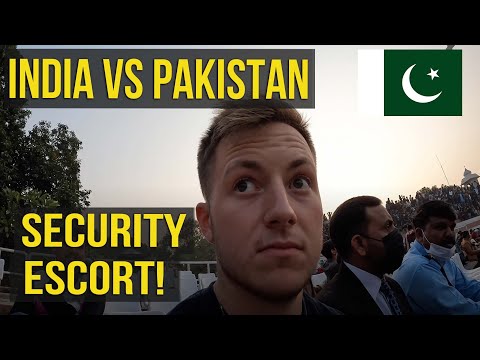
The India–Pakistan crossing outside Lahore where both armies hold a competing flag-lowering ceremony every evening of the year, in front of thousands on each side.
The surf town on Sri Lanka's south coast — hostel beds at $7 a night, a market five minutes inland, and the first hot, cloudless weather of Harry's trip.
A three-hour circular railway for thirty cents, a gold pagoda seeing twenty tourists a day, a $40 hotel Harry rates among the best he's stayed in, and a rural market where money hangs untouched on a tree.